
Beaches of
NormandyTours
NormandyTours

In biology, “fragmentation” is the ability of certain organisms to split into parts, and have each part grow into a new, separate creature. Fungi, molds, lichens and certain plants are well-known for their ability to fragment, as are some animals such as annelid worms and starfish.
Royal Navy warships are not known to typically reproduce by fragmentation, but historical precedent exists: the World War II-era destroyer HMS Porcupine began its life as a single warship and ended up as two vessels.
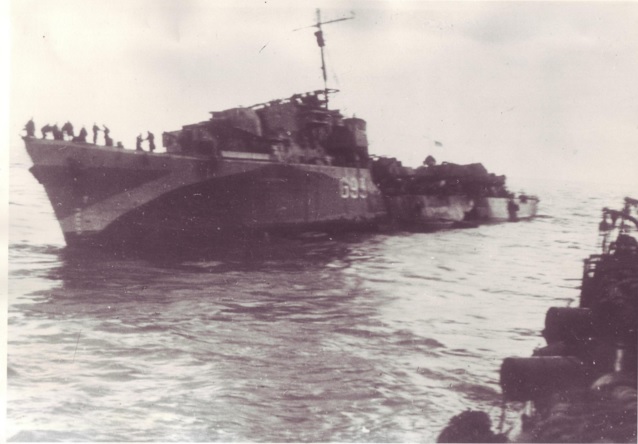
Porcupine was one of the last three P-class destroyers to be laid down. The P-class, and its immediately predecessor, the O-class, were wartime designs, which were smaller, simpler and cheaper than Britain’s previous escort ships, the L- and M-classes. Commissioned in August 1942, Porcupine spent some of her short career in the Mediterranean, escorting troopships and other vessels in preparation of Operation Torch, the Allied landings in North Africa.
On December 9, 1942, she was escorting the submarine tender HMS Maidstone from Gibraltar (Entombed Alive in Gibraltar) to Algiers in North Africa, when the convoy came under U-boat attack. The German submarine launched four torpedoes at Maidstone. All four missed, but one accidentally hit Porcupine, punching a house-sized hole in her side. The port engine detached and fell clean through the hull, while a torpedo launcher went completely missing. The damage was localized and the hit only killed seven men and wounded three, but the large hole still caused the destroyer to list and take on water at an alarming rate. Another ship took Porcupine in tow and started delivering her to the small port of Arzew, Algeria at a snail’s pace.
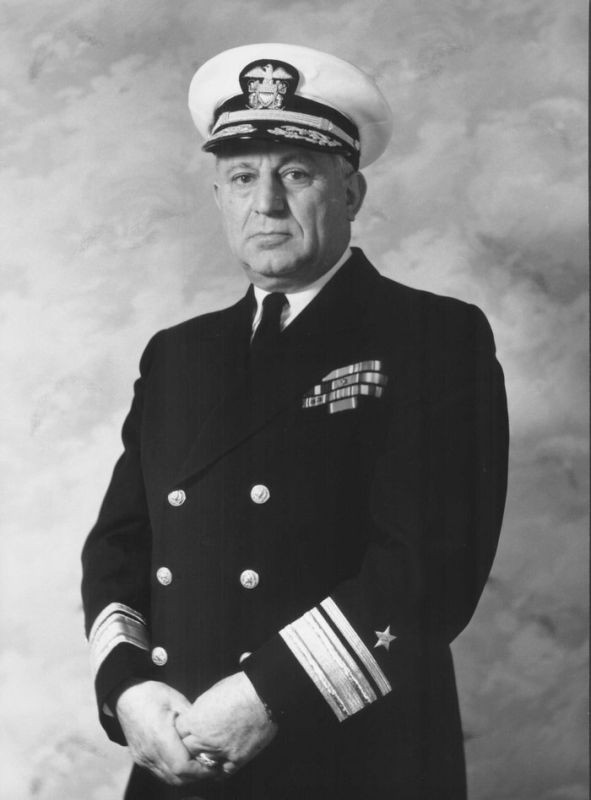
News of the incident reached then-Captain (later Rear Admiral) Edward Ellsberg of the U.S. Navy, an expert in marine salvage and rescue operations. Ellsberg quickly drove to Arzew and took a boat to meet the crippled ship out at sea. Ellsberg and several crewmen managed to stop the Porcupine from sinking long enough to reach port.
The destroyer was later towed to Oran, Algeria, where she was declared a total loss: the torpedo essentially tore the ship in two, with the bow and the stern only held together by the top deck. The ship was cut in two, ballasted and towed back to Portsmouth in Britain in two pieces.
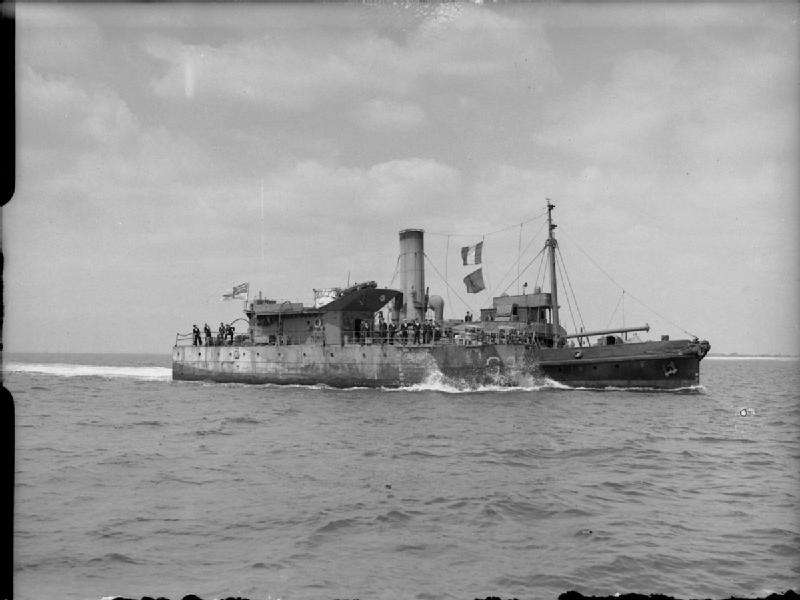
Amazingly, this was not the end of HMS Porcupine. In true British humor, the front and rear halves were nicknamed HMS Pork and HMS Pine, respectively. The two halves were patched up and commissioned under those names. They were used as accommodation hulks, engineless ships used to quarter sailors when shore facilities were full. Join us on our Britain at War Tour if you want to learn more about the Royal Navy and see iconic warships at the Historic Dockyard in Portsmouth!
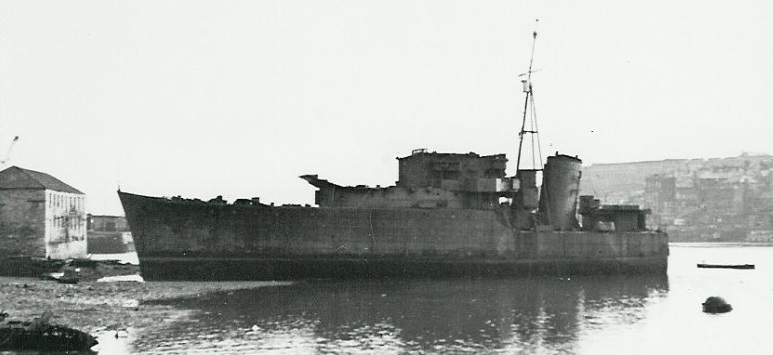








Beaches of Normandy Tours
Beaches of Normandy Tours SAS, Normandy, France
Band of Brothers Tours
Band of Brothers Tours FZCO, Dubai, UAE