
Beaches of
NormandyTours
NormandyTours
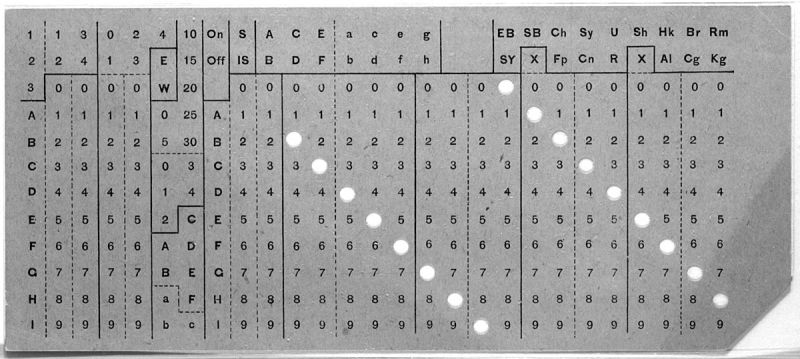
Hacking, exploiting or bypassing security systems to gain unauthorized access, is a term generally understood as referring to present-day computers, though its origins can be traced to the 60s and public telephone networks. Within the hacker subculture, the term “white hat” refers to someone who applies his skills to morally good causes. One surprisingly early white hat hacker actually predated electronic computers: René Carmille was a French public servant who hacked punch card machines to save people from Nazi persecution – and paid for his good deed with his life.
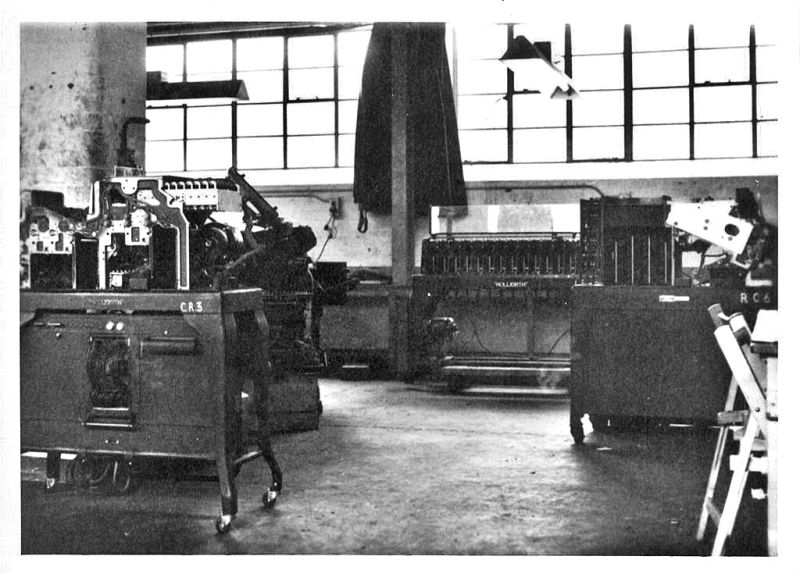
Carmille served in World War I, first as an artillery battalion commander, then later in military intelligence. He was appointed Comptroller of the Army in 1924, a position in which he oversaw several espionage operations and also became an expert in industrial management, promoting the use of punch cards and electromechanical card readers. He established the National Demographic Statistical Service which used IBM punch card machines to tabulate the French national census.
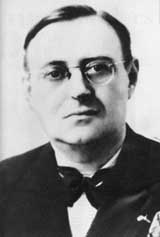
With World War II on the horizon, Carmille’s department created a register of military-aged men who could be mobilized at a moment’s notice. A part of this system was the establishment of the social security number system France uses to this day.
After the fall of France, the nominally neutral Vichy government was established in the south of the country (and under the thumb of the Nazis), and Carmille went working for them. He was, however, far from a Nazi sympathizer. As a member of the Resistance (Factions of the Resistance – Part I) (Part II), he prevented the Nazis’ attempt to use the punch card-based registry to identify and round up Jews and other unwanted individuals.
First, he continued work on the national register, creating a list of 220,000 demobilized soldiers and preparing a set of punch cards that could be used to print and send mobilization orders to them in a matter of hours.
In 1941, Carmille was ordered by the Vichy Minister of Justice to identify the Jews in the punch card registry. He slowed down the process by continuing his work on the national registry, which was so massive that it hogged the machines and services, denying their use to the Gestapo and the Vichy police and forcing them to rely on paper documents that slowed down the work.
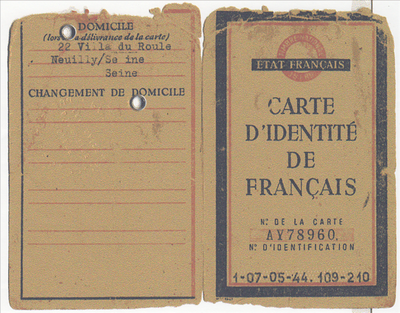
The Third Reich annexed Vichy France in 1942, and Carmille’s department came under direct German control. He was ordered to start a new census with the aim of identifying the Jews. Unable to flat-out refuse, Carmille began working as slowly as possible to obstruct the process. He gave instructions to his employees in spoken word rather than writing to create confusion and delays. He created false identity cards for Jews and Resistance members, and he had samples of the new punch cards smuggled to British Intelligence. He even outright sabotaged the IBM punch card machines so they never punched holes in the 13th column of the cards, the column that held information about a person’s race or religion. This act rendered the entire project useless to the Nazis.
The Nazis eventually figured out what was going on, and Carmille was arrested in February 1944. After two days of torture, he was sent to the Dachau concentration camp (The Liberation of Dachau) where he died of typhus in January 1945.
We’ll never know for sure how many people’s lives were saved by Carmille’s actions. What is certain is that the percentage of murdered Jews was far lower in France than in most German-occupied countries.
Join us on our Britain at War Tour if you want to learn more about the ingenious codebreaking efforts of the Allies at Bletchley Park.





Beaches of Normandy ToursBand of Brothers Tours48 Rue de Thouays, 50480 Sainte-Marie-du-Mont, Normandy, France
Phone: +1 855-473-1999Monday - Friday, 10am - 6pm ETe-mail: info@beachesofnormandy.com