
Beaches of
NormandyTours
NormandyTours
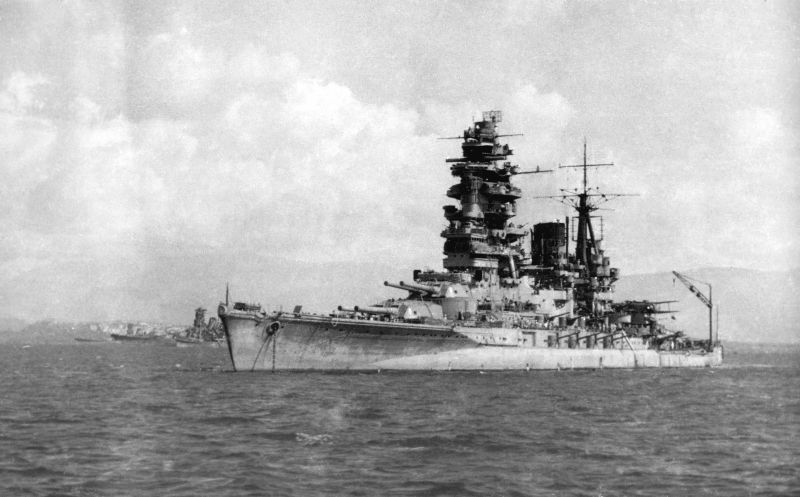
While sails have gone long out of fashion by World War II, warships still retained their masts. Though they were no longer needed for propulsion, masts remained the tallest structure on a ship, and there's a lot of gear that you want to place as high as possible. Human observers, various radar systems and searchlights for night fighting all benefit from being located high up, since they can "see" farther before the curvature of the Earth hides the enemy from them.
The most distinctive World War II-era masts were the "pagoda masts" of the Imperial Japanese Navy, derisively nicknamed "Christmas trees" by the Allies. These superstructures were so heavily festooned with a byzantine array of lookouts, rangefinders, radars and fire control posts that Allied designers considered the ships dangerously top-heavy.
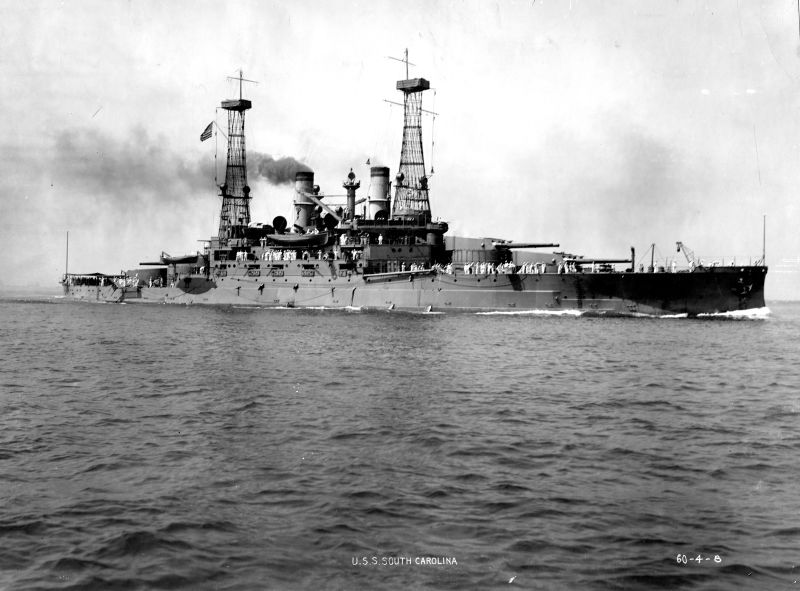
Another interesting design was the lattice mast which the United States Navy experimented with before and shortly after World War I. These beautiful structures were hard to damage by enemy gunfire (since shells could just fly through them), and protected sensitive equipment by absorbing shock from the vessel's own guns. Unfortunately, they proved easily damaged by hurricanes and tornadoes, and couldn't support the amount of equipment that was needed by the 1930s, and were thus abandoned before World War II.








Beaches of Normandy Tours
Beaches of Normandy Tours SAS, Normandy, France
Band of Brothers Tours
Band of Brothers Tours FZCO, Dubai, UAE