
Beaches of
NormandyTours
NormandyTours
If you’ve read our article about American military presence in Greenland during and after World War II (Greenland and the United States – Part I)(Part II), you might remember that the massive amount of waste left behind by the U.S. is an ongoing environmental concern. Ruined buildings, aircraft wrecks, hundreds of thousands of rusty barrels leaking toxic aviation fuel, harmful chemicals and radioactive materials are some of the hazards Greenland was saddled with. We do not mean to downplay this issue, but we’ve found out that at least a few items of American junk have found a new life on the island.
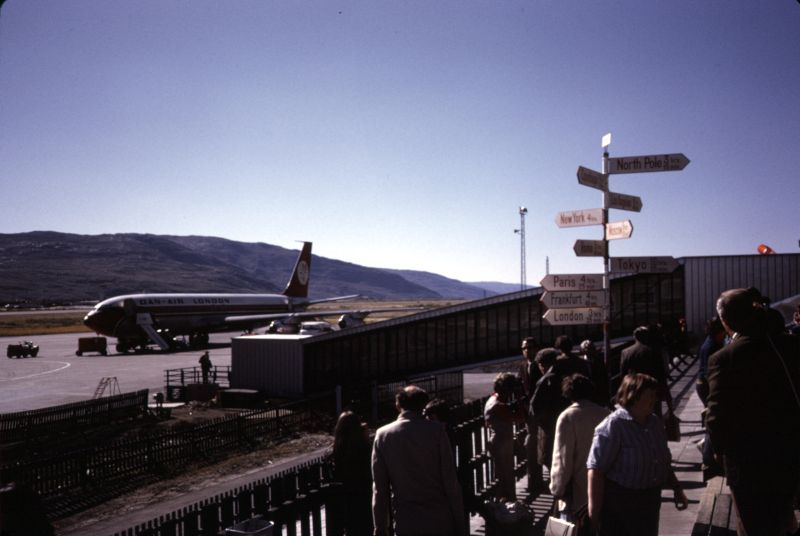
Kangerlussuaq Airport in Central Greenland began its career as Bluie West Eight in October 1941. It served during the war as a radio and weather reporting station, a departure point for search-and-rescue operations and an alternative stop to Bluie West One for U.S. aircraft heading for Europe.
The base was renamed Sondrestrom Air Base in 1951. It was an important part of the airlift operation that transported equipment and materials for the construction of Thule Air Base, and also serviced air refueling tankers and short-range fighter jets flying to Europe. It was also a part of the Distant Early Warning Line radar network and serviced civilian airlines flying between Scandinavia and the U.S. It was abandoned by the U.S. Air Force in 1992, after the fall of the Soviet Union, became a civilian airport, and was Greenland’s main air travel hub until 2024.
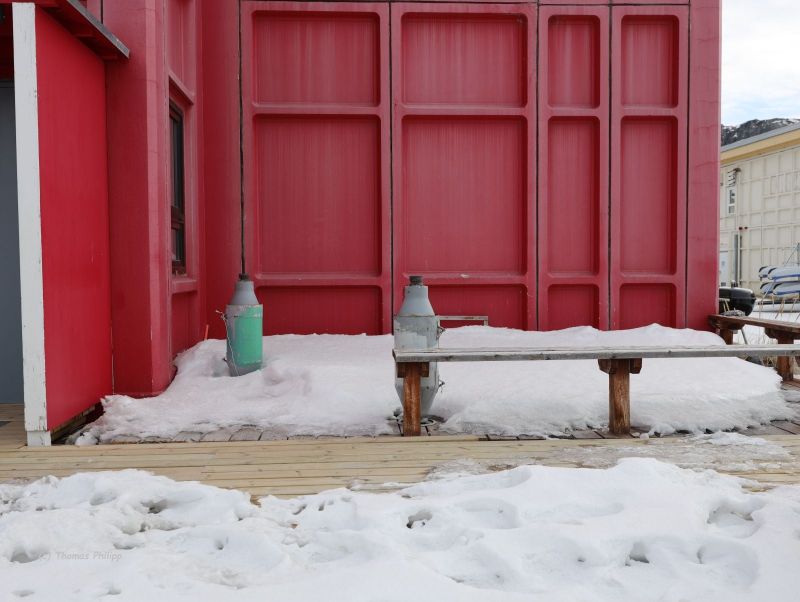
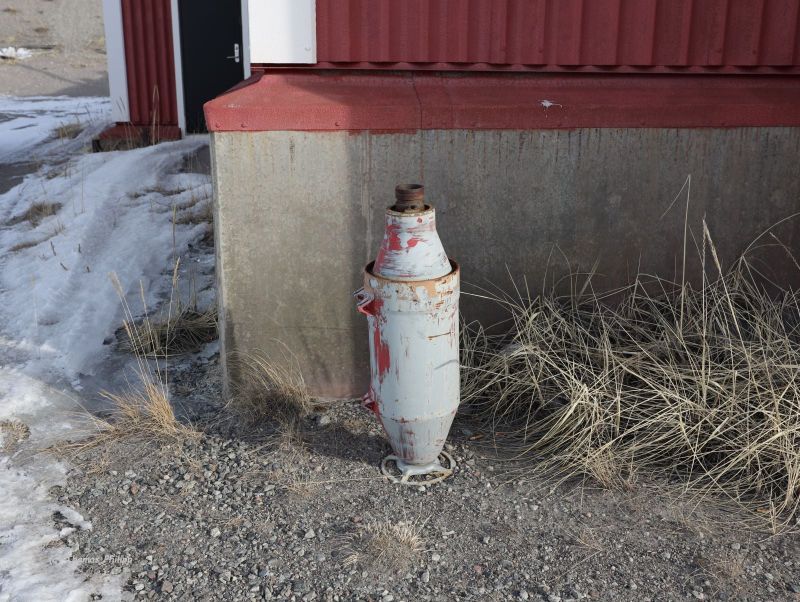
C-130 Hercules transport planes were frequent visitors to Sondrestrom during the Cold War. The mighty four-propeller planes found the runway too short for a safe takeoff, and thus used booster rockets for RATO (rocket-assisted take-off) operations. Some of these abandoned rockets eventually found a new job as large and unusual ashtrays scattered around the airport, as evidenced by some of these photos.




Beaches of Normandy ToursBand of Brothers Tours48 Rue de Thouays, 50480 Sainte-Marie-du-Mont, Normandy, France
Phone: +1 855-473-1999Monday - Friday, 10am - 6pm ETe-mail: info@beachesofnormandy.com


